


Emotional regulation: the skill, that changes everything
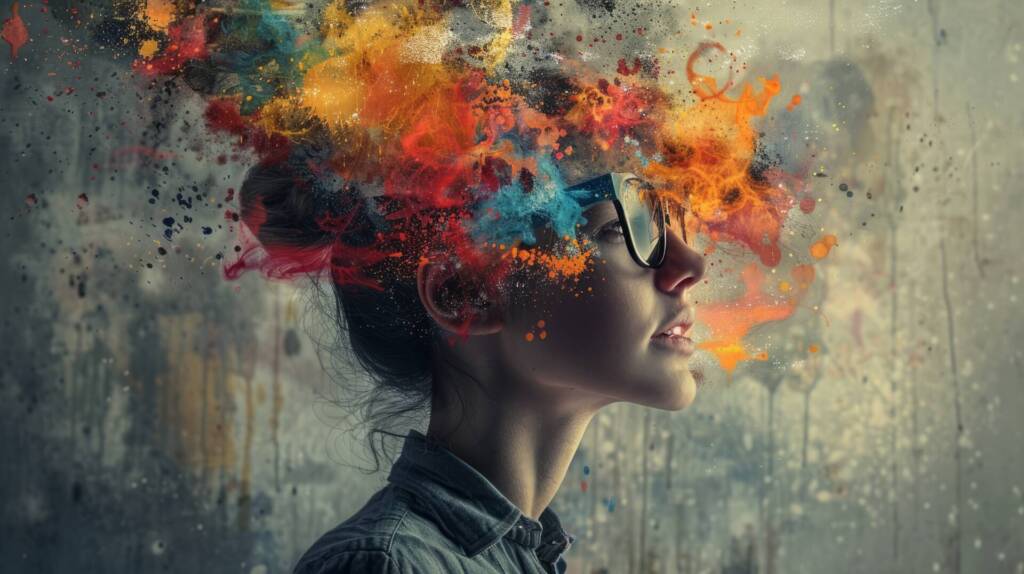
Emotions are the heart of the human experience – they make us alive, sensitive and connected to the world around us. But when we don't know how to manage them, especially in the workplace, in relationships with others or even when we are alone with ourselves, they can become a burden. The constant influence of negative emotions - anxiety, fear, irritation, sadness – can make us feel bad, without understanding why. The good news is, that we can change the way, how we relate to our emotions, and to master them so, to serve us, and not to disturb us.
What is emotional regulation and why is it so important??
Emotional regulation is the ability to recognize, we accept and manage our emotions in a way, which combines our inner need to be authentic with the demands of the environment around us. The goal is not to suppress or avoid our emotions, but to accept them as part of us and choose a conscious response instead of an automatic reaction. Why is it important?? Because this ability is related to the way, by which we feel in everyday life, with relationships, that we build, and with the way, by which we cope with the stress and challenges of life. Without emotional regulation skills, we are more prone to anxiety, depression, conflicts and feelings of helplessness.
What's going on, when we don't know how to regulate our emotions?
Without these skills, we can fall into the trap of maladaptive strategies, which temporarily soothe, but in the long run they drain our energy and hold us back.
-
Suppression: When we try to "hold" emotions inside us, they become secret burdens, which increase our inner tension and make us feel distant from ourselves.
-
Rumination: Constantly scrolling through problems and negative thoughts creates a vicious cycle, which exhausts us and increases the feeling of anxiety.
-
Avoidance: Withdrawing from people, situations or conversations, that evoke strong emotions, may bring a temporary sense of relief, but in the long run it hinders problem solving, it hinders our personal growth and robs us of the opportunity to build deep and meaningful connections with others.
-
Self-criticism: The judgmental internal dialogue can get so harsh, that instead of helping us develop, it discourages us and destroys our confidence.
-
Compensatory behaviors: The alcohol, the food, the cigarettes, thrill seeking, stimulating activities or entertainment, workaholism or excessive use of technology often seems like an easy way to numb emotional pain, but when they become a habit, they trap us in a vicious cycle, from which it is difficult to get out.
How to control our emotions? Adaptive strategies and practices
The good news is, that emotional regulation is a skill, which is taught. With persistence and attention, we can build inner resilience and go through life's challenges more easily.
-
Cognitive reformulation /reframing/: It is the art of changing our perspective and creating a new one, a more balanced and objective perspective. Instead of focusing on the problematic aspects of the situation, Instead of looking only at the difficulties, we can look for learning opportunities, growth or action. Part of this process is to recognize cognitive distortions – systematic errors in thinking, that distort our perception of reality.
-
Awareness (mindfulness): This means observing our emotions with presence and acceptance – without judging or pushing them away, just let them be, as they are, while they gradually weaken on their own.
-
Distraction: Sometimes the best, which we can do, is to redirect our attention to something different and constructive - like a short walk, listening to music or focusing on breathing – to allow the emotion to pass.
-
Emotional literacy: The ability to recognize, naming and understanding our emotions gives us control and reduces their power over us.
-
Social connectivity: Sharing with a trusted person is more than comforting – the other person's presence and empathy is a powerful way of emotional regulation.
How everyday decisions affect our emotional resilience
It's the truth, that we often use a combination of adaptive and maladaptive strategies, to deal with emotional discomfort. We can go for a sport or a walk, but then let's seek solace in a few glasses of wine. Or to practice yoga, but to neglect the important conversation with a close person. We don't need to judge each other about it, but to learn to recognize and balance these impulses.
Emotional regulation is not an end goal, and a process - a path, in which we can walk with patience, attention and care to yourself. It gives us the power to stay connected to ourselves and others, even when life presents challenges.
If you want to develop your emotional regulation skills and learn to manage your emotions with ease and confidence, learn about my online course "Emotional Regulation Skills". There you will find practical techniques, support and knowledge, which will help you live each day more fully and calmly.